

Welcoming autumn: How to Prepare Your Garden for Autumn and Beyond
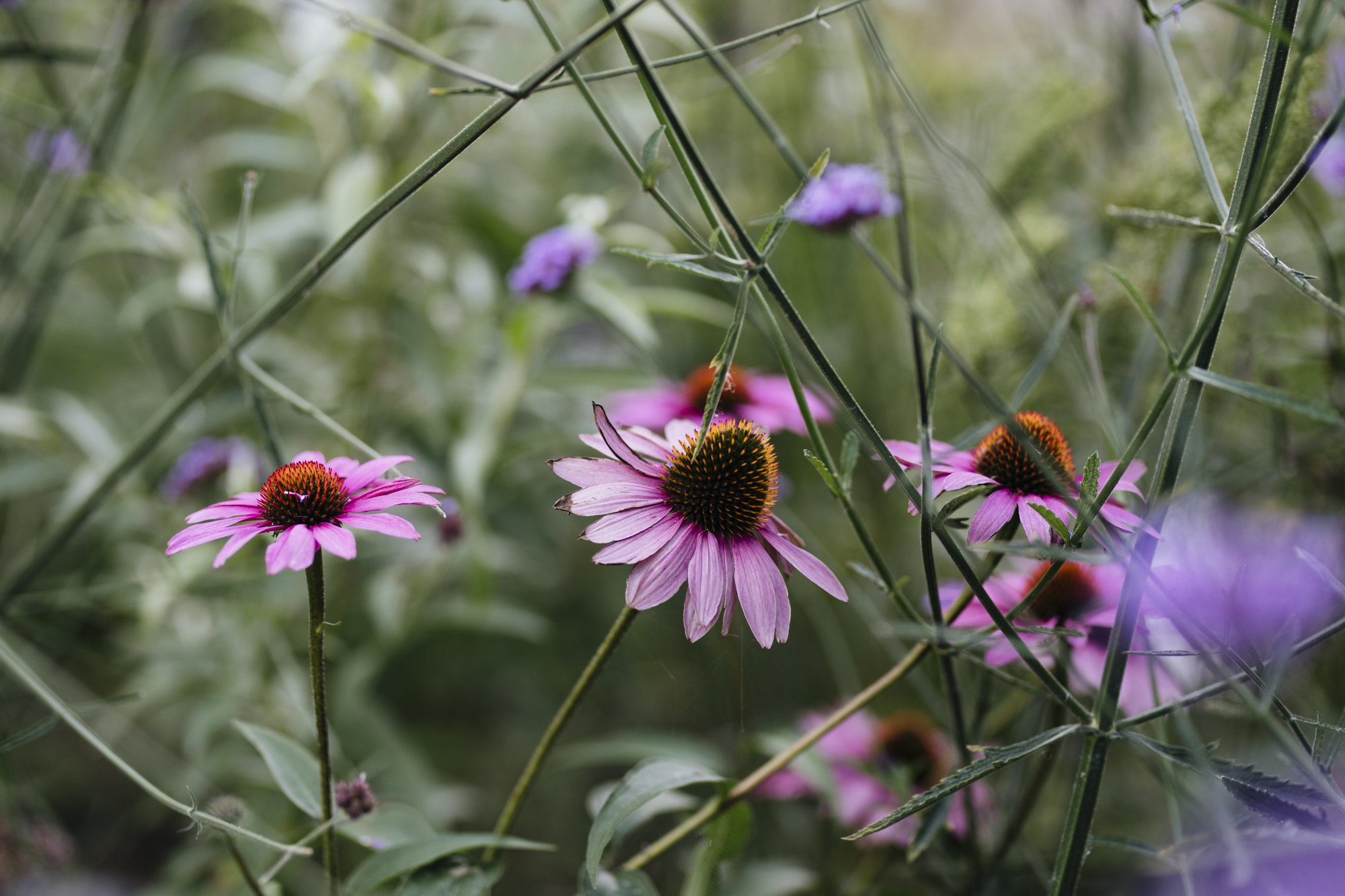
Image by Eva Nemeth, Designed by Nilufer Danis Studio
September is a month of transition in the garden. Summer begins to fade, but the garden is far from finished. The soil is still warm, autumn light begins to change the way planting is perceived, and many plants are reaching their seasonal peak.
For garden owners, September presents an important opportunity: not simply to tidy the garden, but to observe, assess and plan. The most successful gardens are designed to evolve throughout the year. Their beauty does not depend solely on summer flowers, but on strong structure, considered planting, texture, foliage and seasonal change.
As a landscape design studio, we see September as the beginning of the next garden season. Here are some of the most important things to consider when preparing your garden this month.
1. Step back and assess the garden
Before pruning, cutting back or replacing plants, take time to observe how your garden has performed throughout the summer.
September gives you a valuable opportunity to see the planting at its fullest. Look at what has thrived, what has struggled and how the different layers of the garden work together.
Consider the garden from different viewpoints, from inside the house, from seating areas, along pathways and from neighbouring properties.
Ask yourself:
Does the garden have enough structure?
Are there areas that feel too empty once summer flowering finishes?
Are some plants overwhelming others?
Are there sufficient evergreen elements?
Does the garden have interest beyond the summer months?
Are there opportunities to improve privacy or screening?
Could the planting provide greater value for wildlife?
These observations can become the foundation for next year's garden improvements.
2. Plan your autumn planting
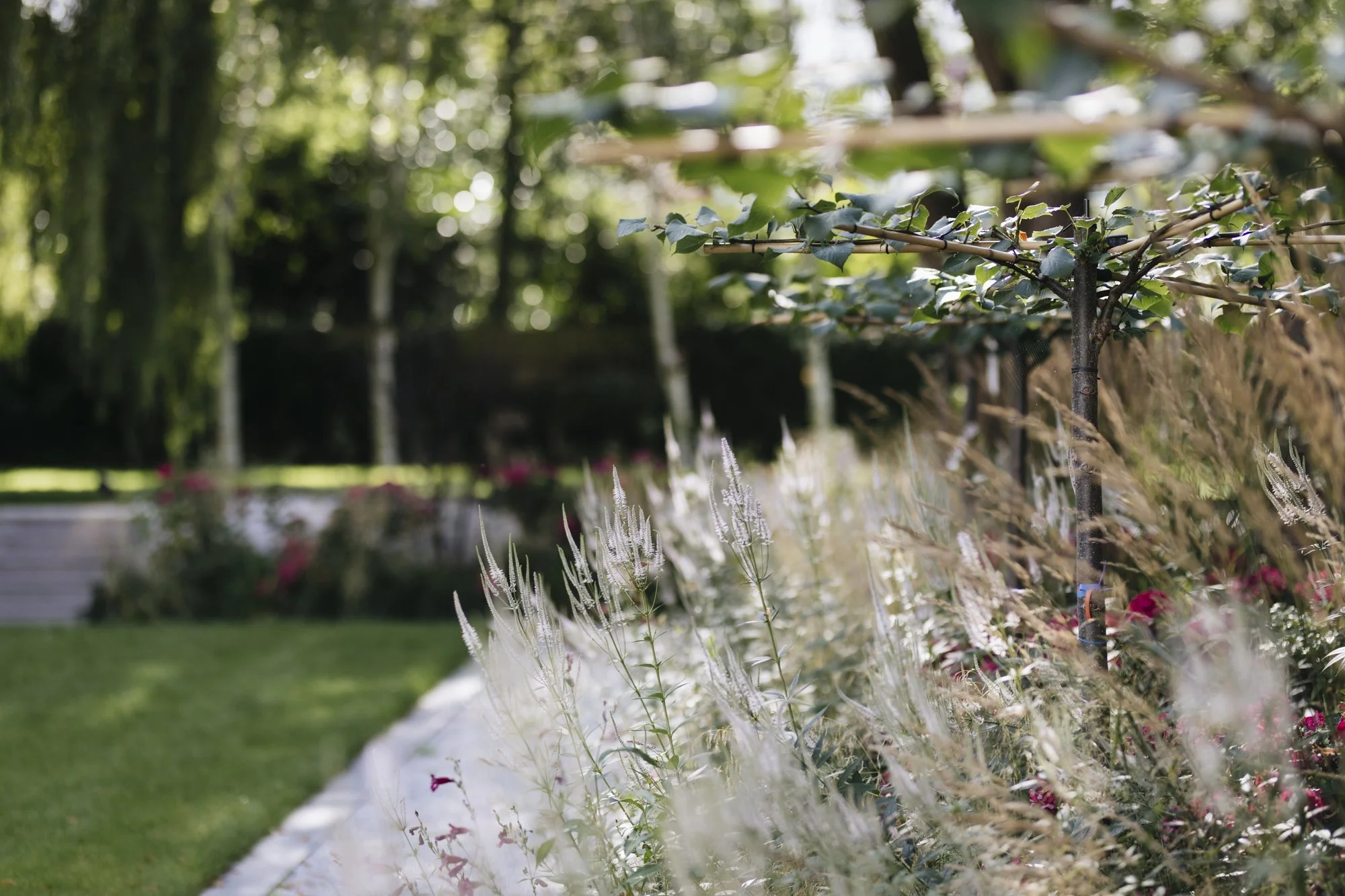
Image by Eva Nemeth, Designed by Nilufer Danis Studio
Autumn is one of the best times of year to plant many trees, shrubs, and perennials. The combination of warm soil and increased rainfall allows plants to establish their root systems before the following growing season.
If you are considering a new border, screening planting, specimen tree or larger garden redesign, September is a good time to start planning.
Rather than selecting plants individually, think about the overall planting composition.
A successful planting scheme should combine different layers:
Trees → shrubs → perennials → grasses → bulbs → ground cover
This creates depth and structure while allowing the garden to change throughout the seasons.
When selecting plants, also consider their eventual size, habit, foliage, flowering period, and ecological value. The plant that looks beautiful in a nursery pot may not necessarily be the right plant for your garden in five or ten years.
3. Start planning spring bulbs

Image sourced via Pinterest
Spring may seem a long way away, but September is the perfect time to start planning your spring bulb planting. Daffodils, tulips, alliums, crocuses and many other bulbs can be planted during autumn.
For a more sophisticated planting scheme, think beyond individual bulbs and consider how groups will move through the garden. Repeating bulbs through borders can create rhythm and continuity, while planting them among grasses and perennials can create a more naturalistic effect.
Consider succession too. The aim should not simply be to have a few weeks of spring colour, but to create a sequence of interest from late winter into spring and early summer.
4. Don’t be too quick to cut everything back
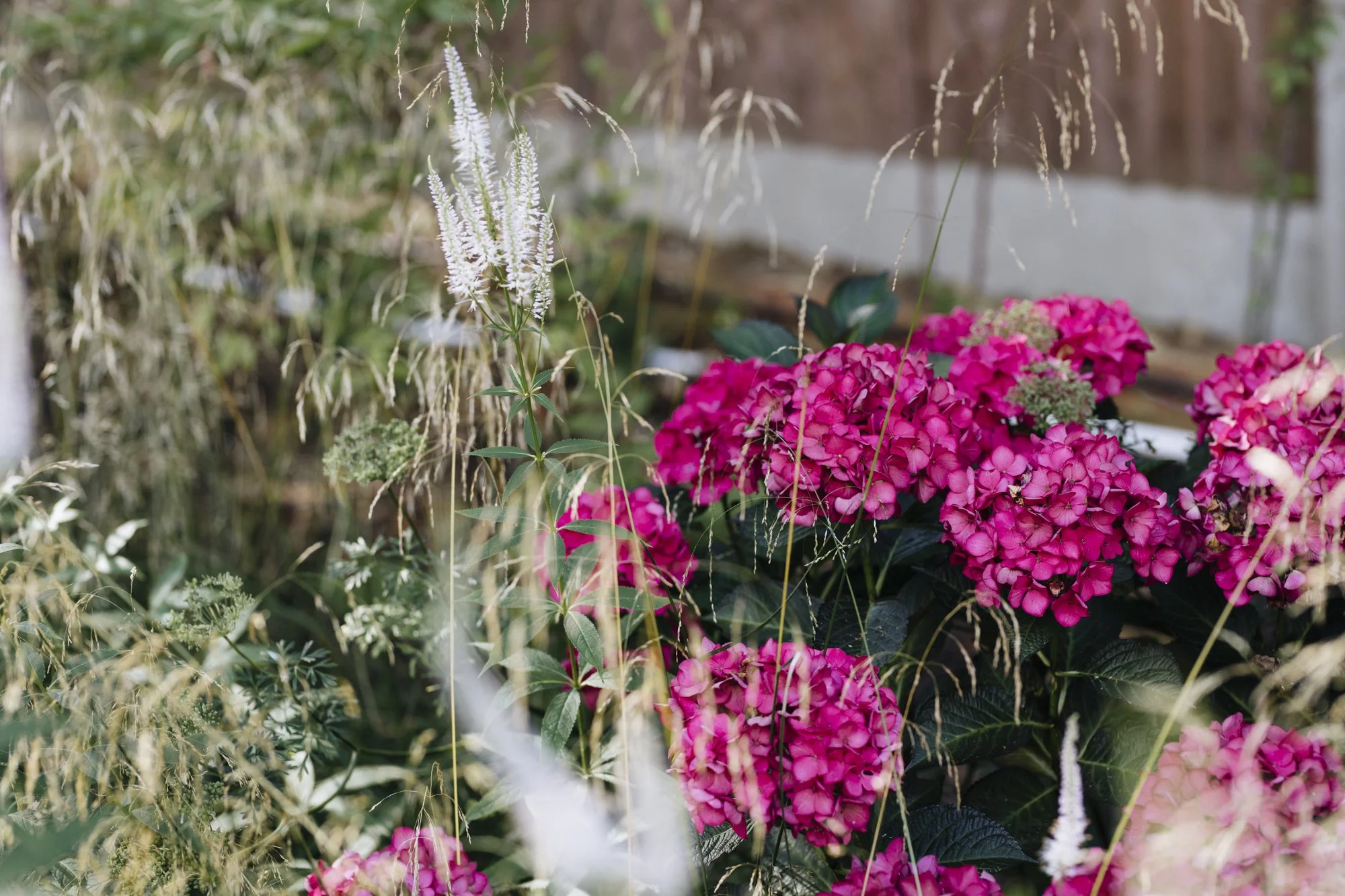
Image by Eva Nemeth, Designed by Nilufer Danis Studio
Autumn often triggers the instinct to tidy. But excessive tidying can remove some of the most valuable elements of a garden's winter character.
Seed heads, grasses and dried perennial stems can provide structure long after flowers have disappeared. They can catch frost, move in the wind and create silhouettes against low winter light. They can also provide shelter and food for wildlife.
From a garden-design perspective, decay and seasonal change are part of the composition. Instead of cutting everything back immediately, decide which plants can remain standing through autumn and winter and which genuinely need to be removed.
A little restraint can make a garden feel considerably more natural and interesting.
5. Review the garden’s structure
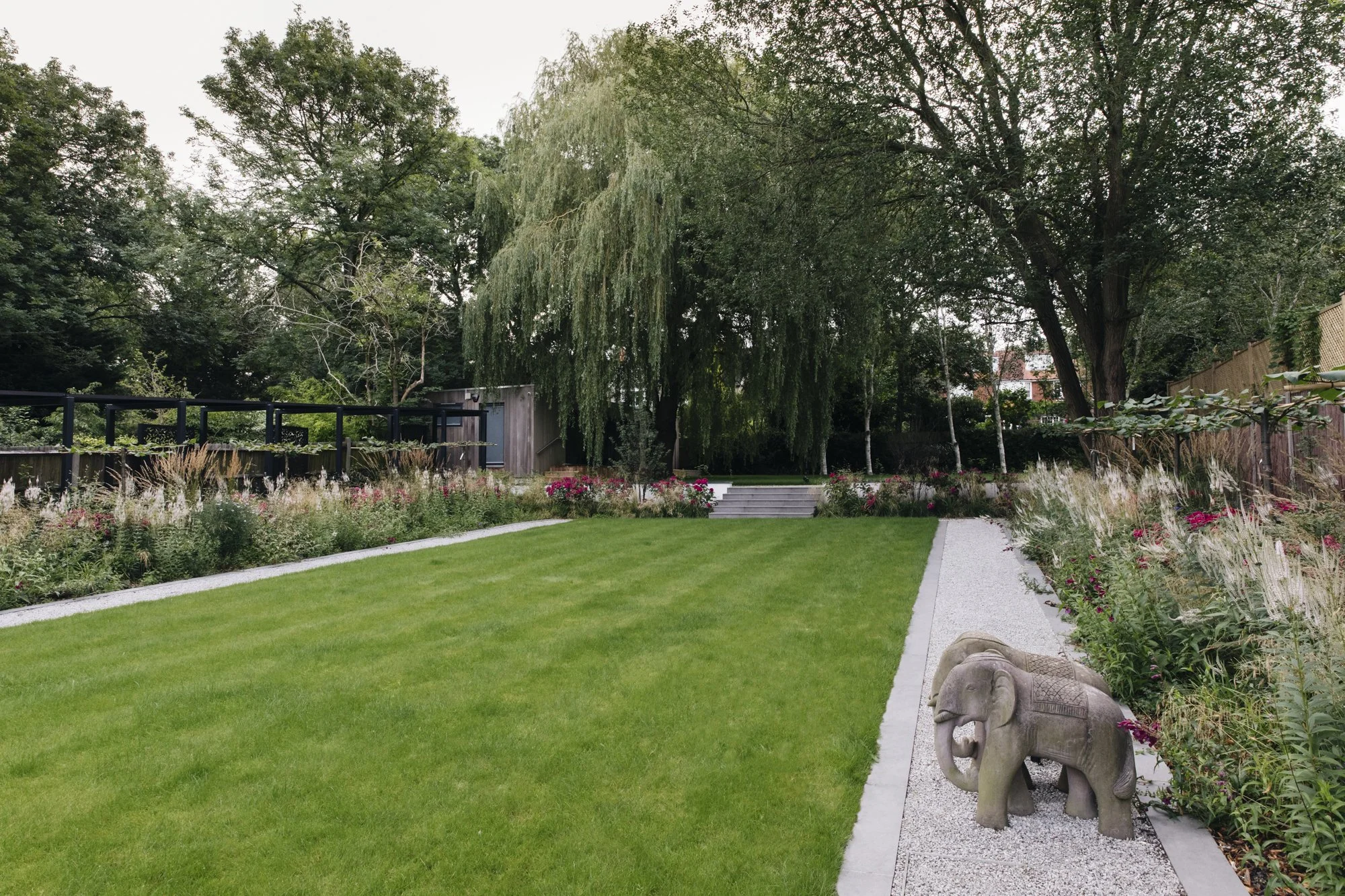
Image by Eva Nemeth, Designed by Nilufer Danis Studio
Good planting cannot compensate for weak garden structure.
September is an excellent time to look beyond the planting and consider the physical framework of your garden.
Look at:
Paths and circulation
Boundaries and screening
Terraces and paving
Steps and level changes
Pergolas and structures
Seating areas
Lighting
Storage
Water management
Ask whether these elements still work for the way you use the garden.
A garden should not only look beautiful; it should support everyday life.
If you are considering a larger garden renovation, September is also a good time to begin developing ideas so that design, planning and construction can be organised ahead of the following growing season.
6. Give your lawn some autumn attention
After a summer of use, lawns can become compacted, thin or tired. September is generally a good time for lawn renovation because the soil remains warm while cooler temperatures reduce some of the stress associated with summer.
Depending on the condition of the lawn, autumn maintenance may include scarifying, aerating, overseeding and addressing areas of poor drainage. However, a lawn should be considered as part of the wider garden rather than simply an isolated green surface.
If your lawn repeatedly struggles because of shade, compaction or excessive moisture, it may be worth questioning whether grass is actually the most appropriate solution for that part of the garden.
Sometimes the better design decision is to replace an underperforming lawn with planting, meadow, ground cover or another permeable landscape treatment.
7. Check drainage before the wet season
As autumn rainfall increases, drainage becomes an increasingly important consideration. Clear gutters, drainage channels and gullies, and look for areas where water regularly collects. If you experience persistent waterlogging, simply adding more plants may not solve the underlying problem.
Consider how rainwater moves through the entire garden.
Permeable paving, planted areas, rain gardens and other sustainable drainage approaches can help manage surface water while also contributing to biodiversity.
Good landscape design considers water as part of the garden's natural system, rather than treating drainage as an afterthought.
Depending on the condition of the lawn, autumn maintenance may include scarifying, aerating, overseeding and addressing areas of poor drainage. However, a lawn should be considered as part of the wider garden rather than simply an isolated green surface.
If your lawn repeatedly struggles because of shade, compaction or excessive moisture, it may be worth questioning whether grass is actually the most appropriate solution for that part of the garden. Sometimes the better design decision is to replace an underperforming lawn with planting, meadow, ground cover or another permeable landscape treatment.
8. Review trees and shrubs
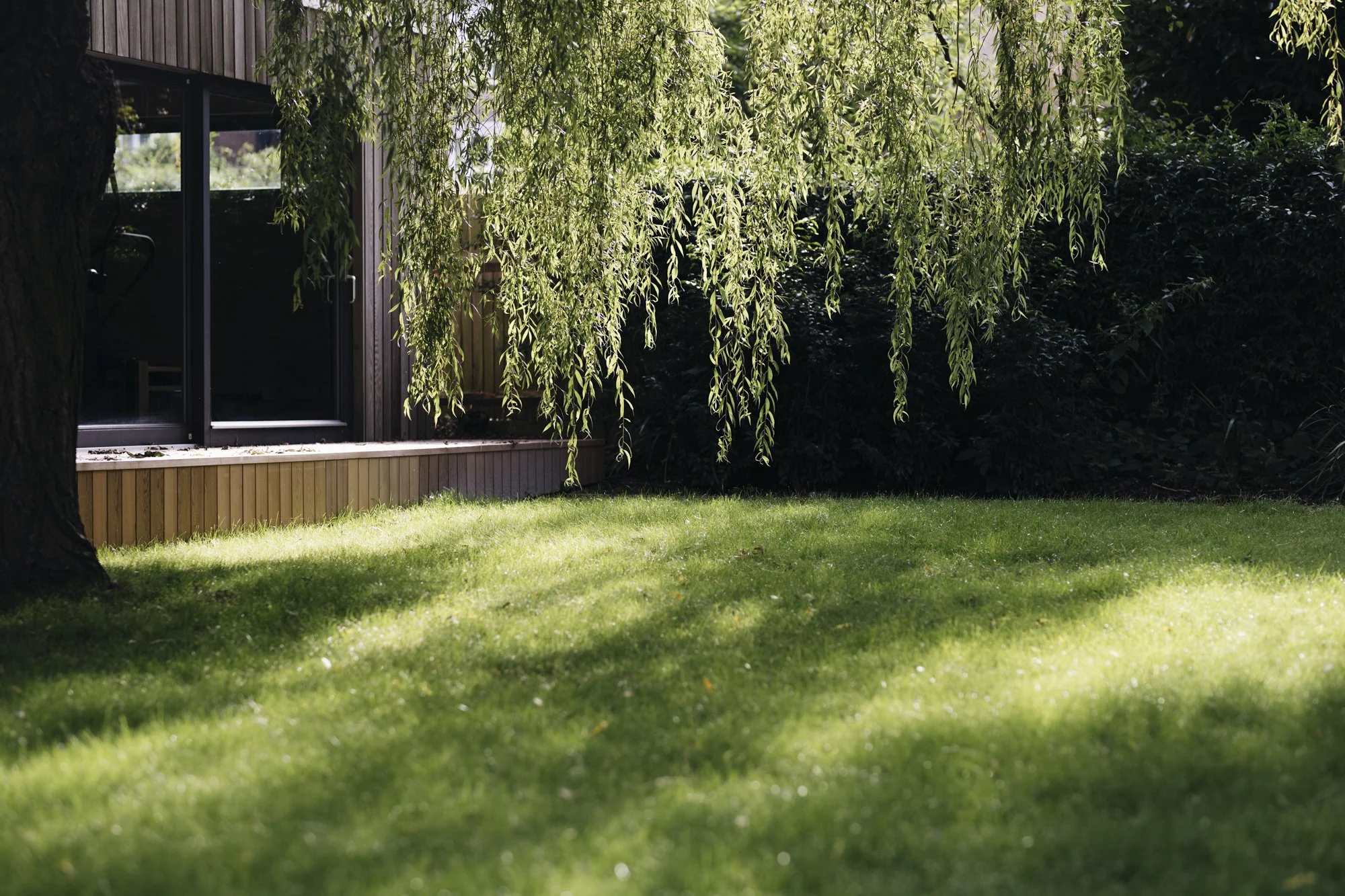
Image by Eva Nemeth, Designed by Nilufer Danis Studio
Walk around the garden and inspect your trees and shrubs after the growing season. Look for dead, damaged or diseased branches and assess whether plants have outgrown their positions.
September is also a useful time to consider larger design questions.
Has a tree become too large for the garden?
Is it blocking an important view?
Has it created too much shade?
Could a strategically positioned tree improve privacy or frame a particular view?
Trees are long-term elements of a landscape, so decisions about them should consider their mature size and relationship with buildings, boundaries and other planting.
9. Think about biodiversity
September is also a good moment to consider how your garden supports wildlife.
A biodiverse garden does not need to look wild or unstructured. Carefully designed contemporary gardens can provide excellent habitat while maintaining a strong architectural character.
Consider incorporating:
Nectar-rich plants
Seed-producing perennials
Native and wildlife-friendly species
Trees and shrubs that provide food and shelter
Flowering plants across multiple seasons
Areas of undisturbed habitat
Permeable surfaces
Water where appropriate
The objective is not simply to add more plants, but to create a functioning garden ecosystem.
10. Photograph and document the garden

Image by Rey Joson
One simple but surprisingly useful September task is to photograph your garden.
Take photographs from the same viewpoints you use regularly, particularly views from inside the house. These photographs provide an invaluable record of how the garden changes throughout the year. They can also help identify gaps that may not be obvious when you are standing in the garden itself.
If you are planning a redesign, keep a simple record of:
Plants that performed particularly well
Plants that struggled
Areas that receive morning or afternoon sun
Persistent wet or dry areas
Views you would like to enhance
Areas requiring more privacy
Features you would like to introduce or remove
Over time, this becomes a useful design brief for your garden.
September is the Time to Plan, Not Just Tidy
A garden should never be thought of as a finished product. It is a living landscape that changes with the seasons, matures over time and responds to the way we use it.
September offers a valuable pause between summer and autumn, a moment when you can still see the successes and shortcomings of the growing season while having enough time to make thoughtful plans for the year ahead.
Whether that means planting spring bulbs, introducing new trees and shrubs, improving drainage, increasing biodiversity or beginning a complete garden redesign, the work you do now can have a lasting impact.
The best gardens are designed for every season, and September is the perfect time to start thinking about the next one.
Planning a Garden Redesign?
If your garden needs more than seasonal maintenance, autumn is an excellent time to begin planning a landscape or garden design project for the following year.
At Nilufer Danis Studio, we create contemporary gardens that combine strong architectural structure with carefully considered planting, sustainability and year-round seasonal interest.
From individual planting schemes to complete garden transformations, thoughtful planning at this stage can ensure that your garden is ready to enjoy when the new growing season arrives.