

How Garden Design Impacts Property Value: What Homeowners Often Overlook
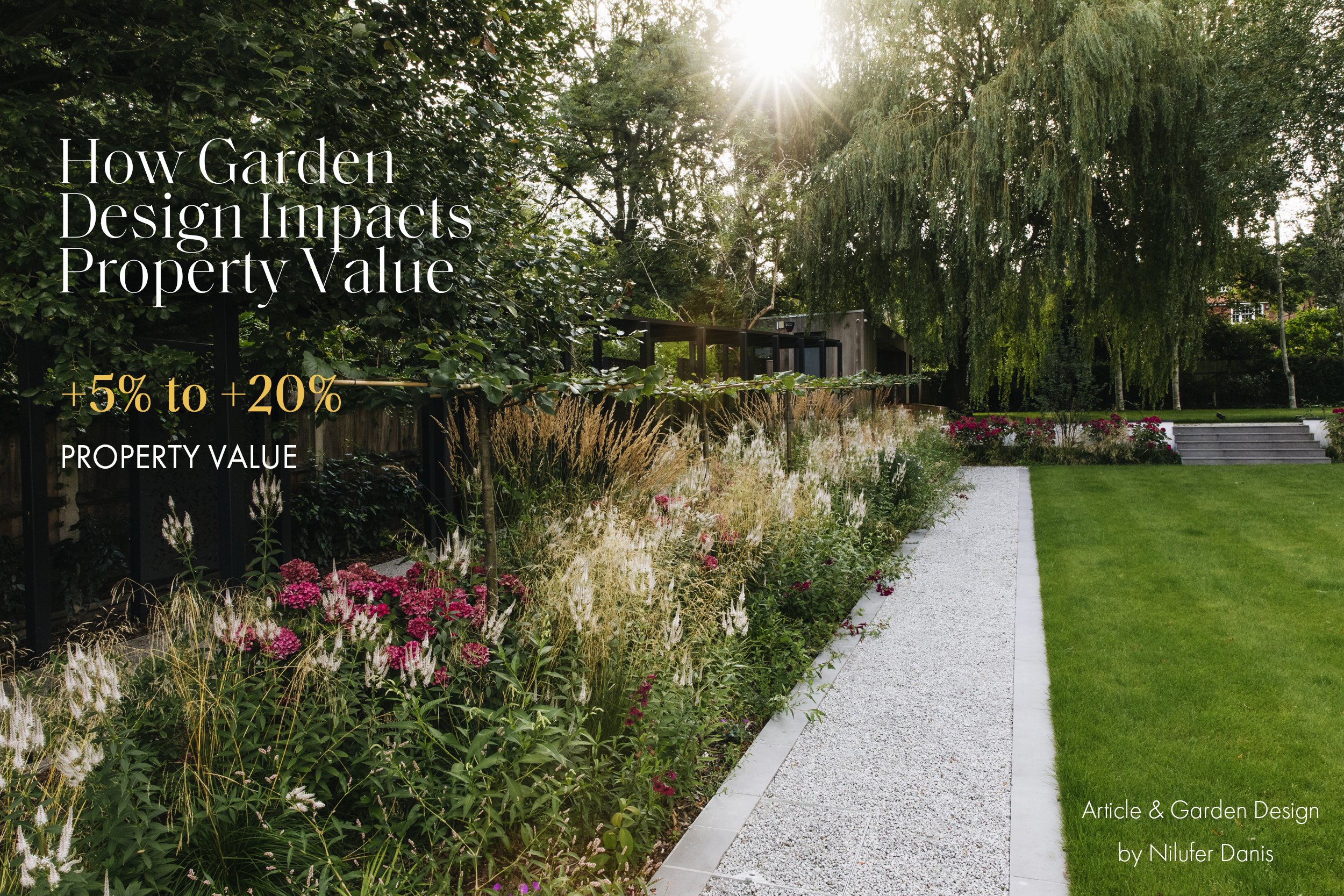
Photo by Eva Nemeth, Designed by Nilufer Danis Studio
How garden design impacts property value. Learn what buyers notice, what works, and how landscaping can increase your home’s ROI.
You probably already know the obvious upgrades that increase property value. Kitchens. Bathrooms. Maybe new flooring if you’re feeling ambitious. But gardens? Outdoor spaces? Those tend to sit in the “nice-to-have” category.
Which is a bit misleading. Because a well-designed garden doesn’t just make a home look better; it can quietly shift how people feel about the entire property. And that feeling often translates into higher offers, faster sales, and sometimes surprisingly bigger returns.
Buyers don’t always separate house and garden in their minds. It blends into one experience. That’s where things get interesting.
It’s Not Just a Garden. It's a Perceived Lifestyle.
People don’t buy square footage. Not really. They buy what they imagine their life could look like in that space.
A plain backyard says, “You will need to figure this out.” A designed garden says, “This already works.” That difference matters more than most homeowners expect.
According to various property studies, landscaping can increase property value by anywhere from 5% to 20%, depending on quality and usability. Some reports, including those referenced by UK agencies, place that upper range closer to 20% when the design is well executed. That’s not small change.
But here’s the catch: throwing in some plants and hoping for the best doesn’t quite cut it. Design is what makes the difference.
You can see a clear example of this in this article, where thoughtful design completely reshapes how a space is used and experienced.
Increasingly, landscapes are viewed as living systems, not decorative features. Instead of static planting beds, clients and designers are embracing planting that evolves, adapts, and behaves like nature itself.
The Gap Between “Nice” and “Value-Adding”
A garden can be nice. Green. Tidy. Pleasant enough. But that doesn’t automatically mean it adds value. The gardens that actually move the needle tend to have a few things in common:
Defined zones: a place to sit, a place to walk, maybe a place to hide from everyone for five minutes
Structure that holds year-round, not just in peak spring optimism
A sense of flow that makes the space feel bigger than it is
Small gardens especially benefit from this approach; maybe even more than large ones. A good example is the Archway Islington project by Nilufer Danis Studio. A relatively compact city garden, but carefully designed to maximise planting, movement, and usability. It shows how even a small outdoor space, when properly structured, can feel intentional rather than improvised. A sense of flow that makes the space feel bigger than it is
Trying to squeeze too much into a space often backfires, a bit like overfurnishing a small living room. It looks busy. Not better.
The Wellbeing Benefits of a Well-Designed Garden
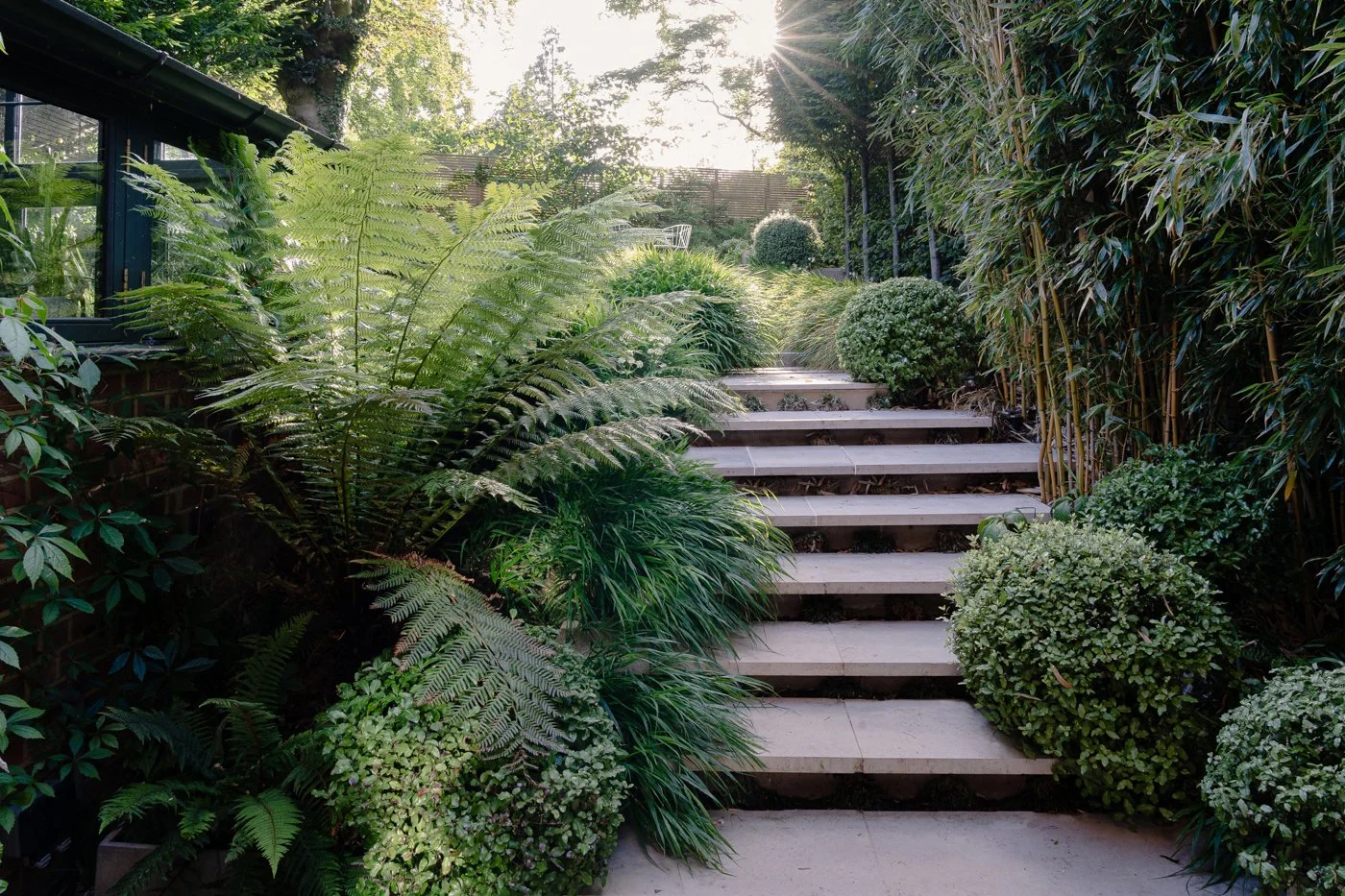
Photo by Maria Savoskula, Designed by Nilufer Danis Studio
Beyond property value, a thoughtfully designed garden does something harder to quantify but just as real: it makes people feel better. Research consistently links access to green space and natural environments with reduced stress, improved mood, and a greater sense of calm.
A garden that feels considered: with places to sit quietly, planting that changes with the seasons, and a layout that invites you to slow down, can become one of the most used and valued parts of a home. Not just for buyers assessing the property, but for the people who actually live there. Nilufer Danis, award-winning garden designer and landscape architect.
“Gardens are like viewing a beautiful painting from an emotional perspective. If they make you feel good when you look at them or spend time in them, that is what makes a garden truly successful.”
Nilufer Danis, Award-winning Garden designer and Landscape Architect.
This perspective reframes what we’re really talking about when we discuss garden design. It’s not just about kerb appeal or sale price; it’s about creating a space that genuinely enriches daily life. And that emotional resonance is something buyers feel, even when they can’t quite put it into words.
Buyers Notice More Than You Think
Despite its relaxed appearance, naturalistic planting can be highly practical when designed well. Outdoor space plays a subtle but significant role in how buyers evaluate a property overall. Specifically:
A well-maintained garden suggests the home has been cared for
A functional layout reduces perceived future work
A visually appealing outdoor space improves first impressions before they even step inside
Buyers mentally calculate how much work they will need to put in after moving. A garden that feels finished reduces the mental burden, making the property more attractive. The same pattern holds in rental markets: homes with usable outdoor space tend to attract more interest, and often better tenants.
Design Choices That Actually Add Value
Not all landscaping decisions carry the same weight. These features consistently perform well:
Functional Seating Areas: A place to sit isn’t just decorative. It signals usability. Even a small patio or deck can significantly shift perception.
Low-Maintenance Planting: People like greenery, they just don’t always want to manage it. Structured planting with low upkeep tends to appeal more broadly.
Lighting: Outdoor lighting extends the usability of the space and makes the garden feel intentional, not incidental.
Privacy: Strategic planting or screening creates a sense of enclosure, especially valuable in urban settings.
Cohesive Design: A garden that feels connected to the house, in style and flow, tends to feel more valuable than one that looks like an afterthought. The result is a landscape that feels alive—never static, always evolving
Small Gardens, Big Impact
.
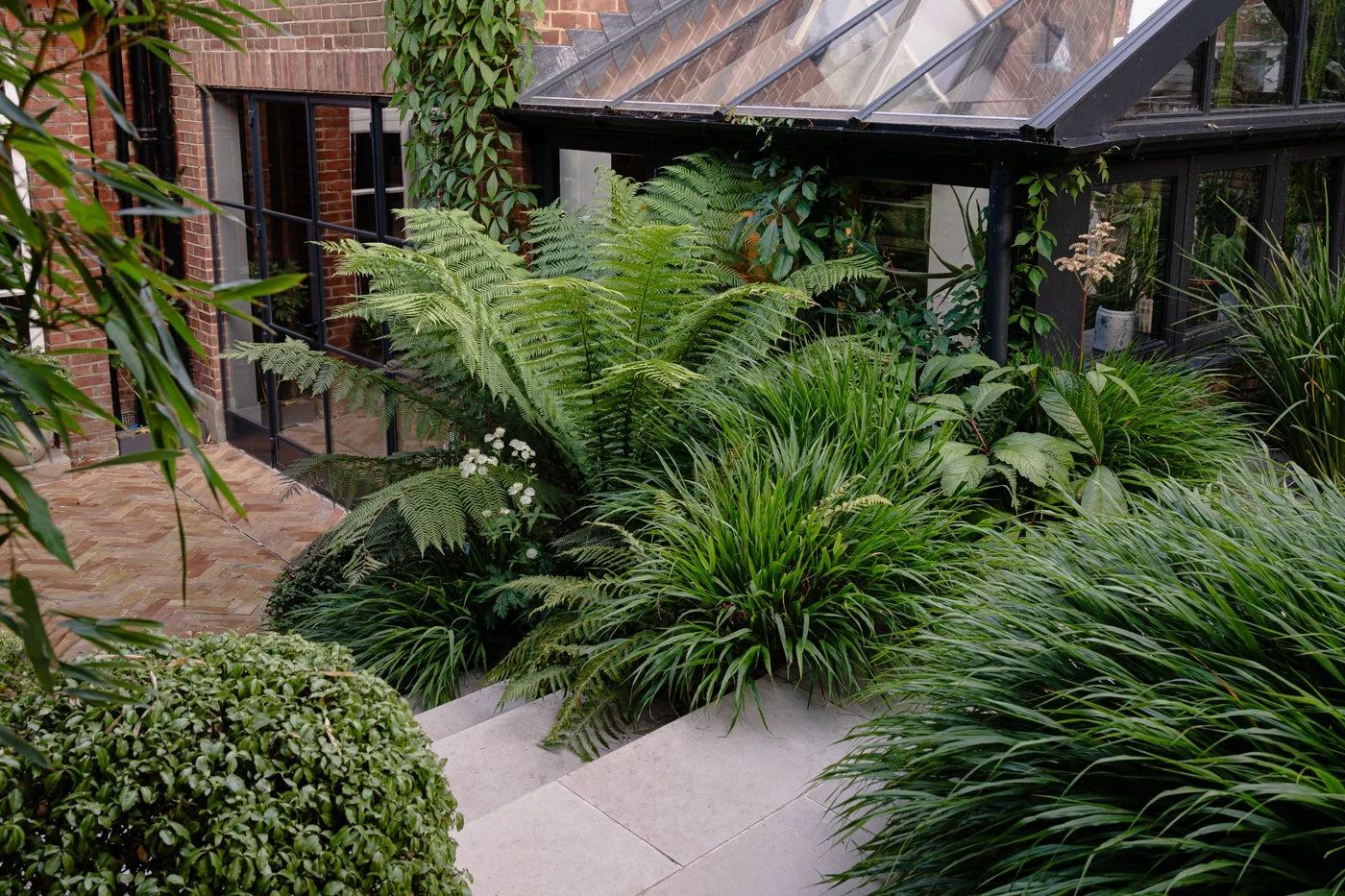
There’s a common assumption that only large gardens add value. That’s not really true. In fact, smaller gardens can deliver a strong return when designed properly, because the transformation is more noticeable.
A compact space that feels usable, balanced, and visually appealing often stands out more than a large but poorly organised garden. It’s a bit like editing: removing what doesn’t work can be more powerful than adding more. In limited spaces, clarity matters more than creativity. Simple, intentional design tends to win.
This is often where thoughtful design makes the biggest difference, especially in urban homes where every square metre needs to work a little harder.
This is why it has become especially prominent in rooftop gardens, public realm projects, and compact city spaces.
The Timing Question: When Should You Invest?
Should you invest in garden design right before selling? Maybe. But not always.
If you’re weighing this kind of upgrade alongside other costs, it helps to look at the bigger financial picture. This practical guide on budgeting for rental property expenses breaks down how to prioritise improvements without overspending.
If the current outdoor space is neglected or unusable, improvements can make a noticeable difference. If it’s already decent, the return might be more subtle. That said, properties that feel “complete” tend to perform better in competitive markets, where buyers constantly compare.
And if you’re renting the property before selling, this becomes even more relevant. Outdoor improvements are often part of a sound long-term value strategy, particularly in markets where outdoor space is a key selling point.
A Quiet Advantage That Adds Up
Garden design doesn’t usually shout. It doesn’t have the immediate wow factor of a brand-new kitchen. But it builds something slower: a sense of completeness, a feeling that the property has been thoughtfully put together.
And buyers notice that, even if they don’t articulate it. So if you’re thinking about increasing your property’s value, it might be worth looking outside. Literally. Not everything valuable happens indoors.
FAQs: Garden Design and Property Value

Photo by Eva Nemeth, Designed by Nilufer Danis Studio
1. Does landscaping really increase property value?
Yes. Studies suggest landscaping can increase property value by 5% to 20%, depending on quality, design, and usability.
2.What type of garden adds the most value?
Gardens with functional layouts, seating areas, low-maintenance plants, and cohesive design tend to add the most value.
3. Is it worth investing in garden design before selling?
It depends on the current condition. If the space is underdeveloped, improvements can significantly boost appeal and perceived value
4.Do small gardens add value to a property?
Yes. Well-designed small gardens can have a strong impact, especially in urban areas where outdoor space is limited.
5.What do buyers look for in a garden?
Buyers typically look for usability, low maintenance, privacy, and a visually appealing space that feels like an extension of the home.
👉 Follow us on Instagram for garden highlights: @nilufer_danis