

“Wild but Designed” Why Naturalistic Planting Is Defining 2026

One of the strongest landscape trends in 2026 is naturalistic planting, often described as “wild, but designed.”
But this shift hasn’t happened by chance. It reflects a deeper change in how we think about gardens, cities, and our relationship with nature. Today, planting design sits at the intersection of ecology, aesthetics, and wellbeing.
So why is naturalistic planting becoming so dominant?
Designing for Sustainability and Biodiversity
Gardens are no longer expected to look beautiful; they are expected to perform.
Naturalistic planting supports:
Pollinators, birds, and urban ecosystems
Native and climate-adapted species, reducing water use
Long-term resilience in a changing climate
Increasingly, landscapes are viewed as living systems, not decorative features. Instead of static planting beds, clients and designers are embracing planting that evolves, adapts, and behaves like nature itself.
A Shift Away from Rigid Design
For years, highly structured and minimalist landscapes dominated. Today, that language is softening.
Formal layouts can feel rigid and artificial
Naturalistic planting feels loose, layered, and dynamic
The aesthetic embraces a sense of controlled spontaneity
This marks a clear transition in design thinking—from control to coexistence.
Wellbeing and Connection to Nature

Image Credit: Eva Nemeth, Designed by Nilufer Danis Studio
Our relationship with outdoor space has changed. People are seeking gardens that offer more than visual appeal; they want emotional value.
Naturalistic planting creates:
A calming, immersive environment
Seasonal change and sensory richness
Spaces for pause, reflection, and escape
This aligns closely with biophilic design, where the goal is not just to see nature, but to feel part of it.
Beauty That Works Harder
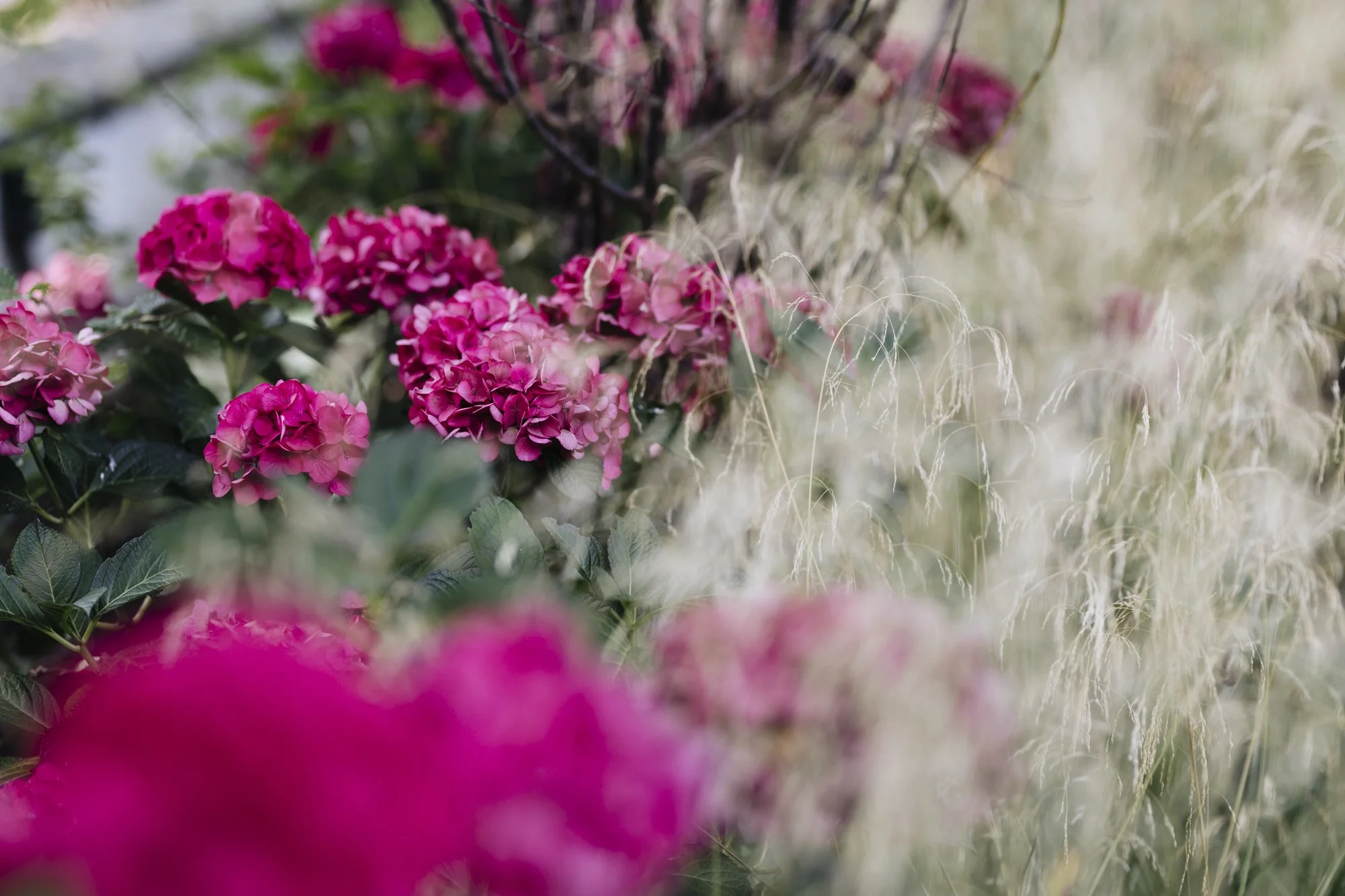
Image Credit: Eva Nemeth
Despite its relaxed appearance, naturalistic planting can be highly practical when designed well.
Dense planting helps suppress weeds
Perennials and grasses provide long-term structure
Reduced need for seasonal replanting
In an era of climate pressure and rising maintenance costs, resilient, low-input landscapes are more valuable than ever—particularly in urban and commercial projects.
A More Dynamic, Year-Round Landscape
Naturalistic planting offers something traditional schemes often lack: constant change.
Movement through grasses and light
Seed heads and structure in winter
Shifting colour palettes across seasons
The result is a landscape that feels alive—never static, always evolving
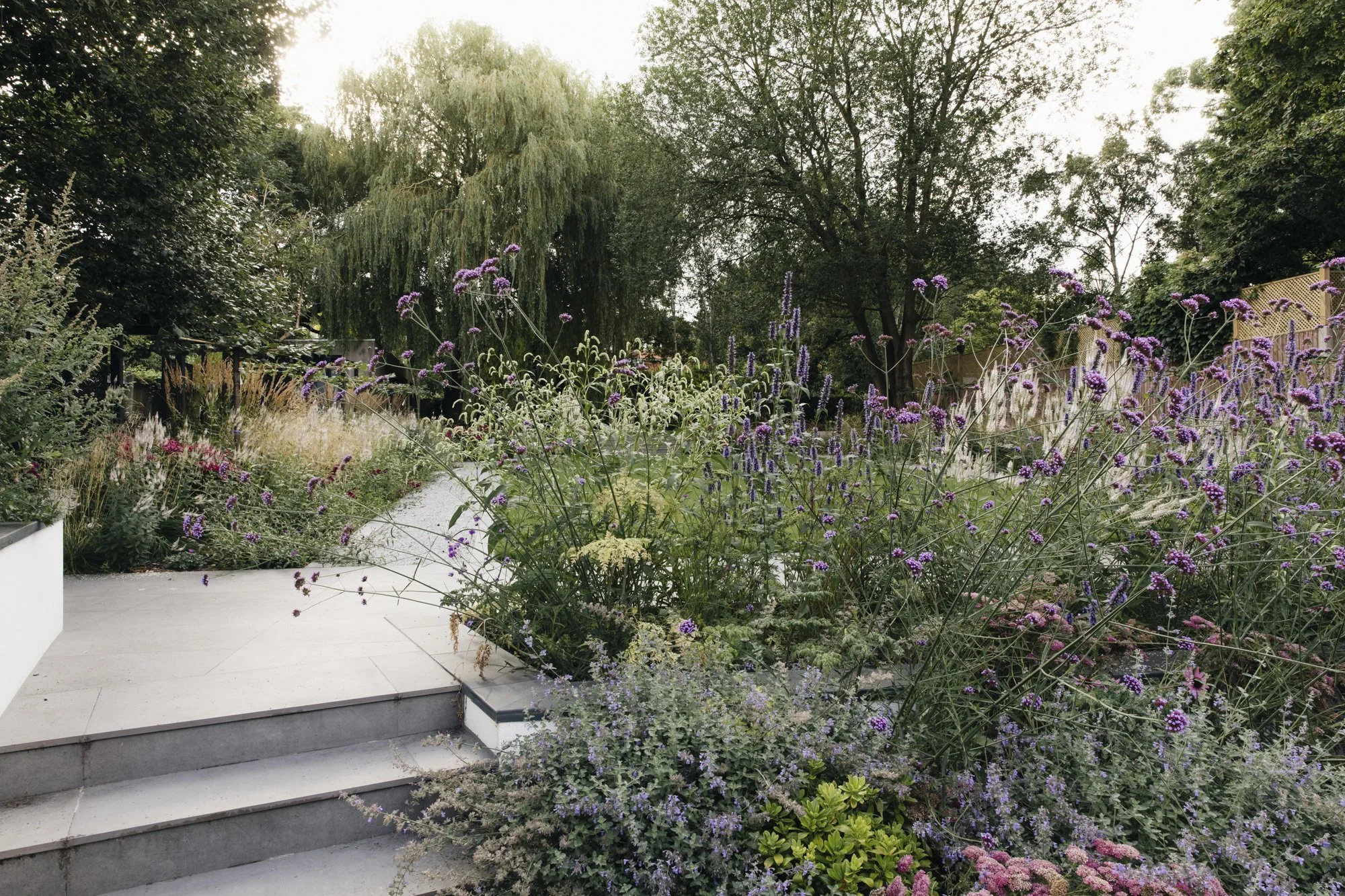
Perfect for Urban Living
Designed by Nilufer Danis Studio
In dense urban environments, naturalistic planting plays a powerful role.
It can:
Soften hard architectural lines
Introduce movement and texture into structured spaces
Create a sense of escape—even in small gardens or balconies
This is why it has become especially prominent in rooftop gardens, public realm projects, and compact city spaces.
The Bigger Picture
Naturalistic planting isn’t just a style—it’s a response to modern challenges. It brings together:
Ecological responsibility
Mental wellbeing
Urban adaptability
Climate resilience
A richer, more expressive aesthetic
It represents a fundamental shift in landscape design thinking.
‘‘Wild, But Designed” – Getting the Balance Right
The success of naturalistic planting lies in intention. It may look effortless, but it is carefully composed.
Key principles include:
Loose, meadow-style planting with clear structure
Layering for depth, rhythm, and continuity
Moving away from rigid layouts and “perfect lawns”
Designing density and texture, not randomness
The distinction is important:
Messy gardens are out. Intentional wild is in.
Our Top 5 Plants for Naturalistic Planting

Image Credit: Eva Nemeth, Designed by Nilufer Danis Studio
Plant selection is fundamental to achieving a successful naturalistic scheme. These are some of our go-to species—valued for their structure, resilience, and ability to work beautifully in layered compositions:
1. Achillea millefolium (Yarrow)
Flat-topped flowers create strong horizontal layers, ideal for weaving through planting. Drought-tolerant and excellent for pollinators.
2. Echinacea purpurea (Coneflower)
A standout perennial offering bold colour in summer and sculptural seed heads that extend interest into winter.
3. Veronicastrum virginicum
Tall, elegant spires add vertical rhythm and a sense of lightness—perfect for creating structure within looser planting schemes.
4. Verbena bonariensis
An essential for naturalistic design, with its airy, see-through habit that connects layers without blocking views.
5. Agastache (Hyssop)
Aromatic, pollinator-friendly, and long-flowering, Agastache adds both colour and movement while thriving in sunny, free-draining conditions.
These plants are selected not just for individual impact, but for how they interact as a planting community, creating a dynamic, resilient, and visually rich landscape.
👉 Follow us on Instagram for garden highlights: @nilufer_danis
With love and petals,
Nilufer Danis